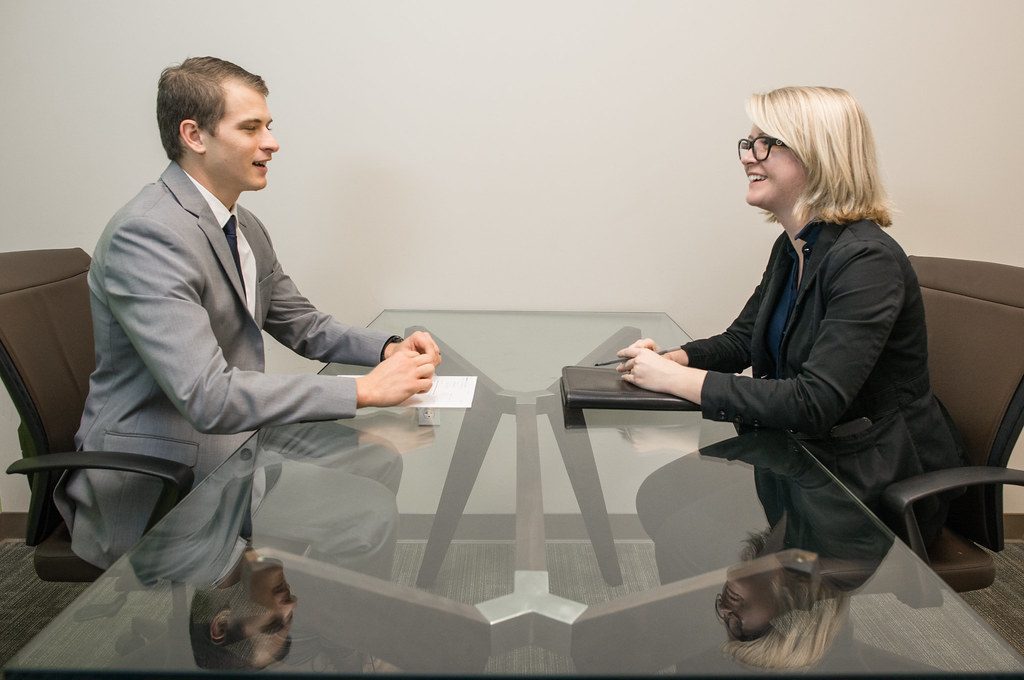
The STAR interview technique is one of the most effective ways to structure your answers to competency-based and behavioural interview questions. Preparing a bank of strong STAR examples in advance gives you practical evidence to demonstrate your skills and experience, whilst enabling you to quickly recall a relevant example when you are under pressure during an interview. It can also help to prevent your mind from going blank when you are asked for a specific example.
Interviewers use your STAR-based interview stories as evidence of your past performance. They want to understand not only what happened, but what you did, how you approached the situation and, most importantly, what you achieved. You may also hear the STAR technique referred to as STARR or STAR+R which are explained below.
What is the STAR interview technique?
The STAR method is a way of structuring your interview answers to ensure you provide a complete, relevant and concise answer. The STAR technique is a storytelling technique which helps you to communicate your example clearly, providing the information they need with little or no prompting.
STAR is an acronym which stands for Situation and/or Task, Action and Result. The STAR technique is used to answer any questions which ask for a specific example of a time when you demonstrated a specific skill or behaviour. They are one of the most common types of interview questions, and are often referred to as competency, behavioural or example-based interview questions.
Before an interview, review the job description and/or person specification and highlight the skills, competencies and behaviours the employer is looking for. These keywords can help you identify the examples you should prepare and, during the interview, can act as prompts to help you select the most relevant story.
Situation or Task
The situation or task briefly outlines the issue or challenge, and provides the context the interviewer needs to understand why you acted in the way you did. You may not always need to include both a situation and a task, either is fine, as long as you give enough context for the interviewer to understand your example. Strong openings include “Whilst working at…” “In my current role at…” “Last week…”
Include details such as who, what, where, why, when, but avoid unnecessary background information. Remember to tailor this to your interviewer. An internal interviewer may understand the aims and objectives of a particular project, whereas an external interviewer will not. Rather than naming the project explain what it was “a process improvement project designed to reduce customer waiting times” The purpose of your situation is to provide context, not a long story. It is typically a few sentences long.
Action
The action outlines how you responded to the situation, or resolved the issue you outlined in the situation / task. This is usually the longest part of your answer. Depending on the question, it may include details like what you did, what you said, how you approached the problem and why you chose that particular course of action. Keep the focus firmly on you.
Result
The result is the most important part of your answer because it shows what you achieved. The best answers will demonstrate that your actions made a substantial impact and provide metrics to back this up. It concludes everything you mentioned in the action, and outlines the wider impact for your customers, the business, your colleagues and yourself. This is typically a few sentences long.
Some companies like you to provide a reflection, which is a brief summary of what you learned and how you will use this knowledge going forwards. This is sometimes abbreviated as STARR or STAR+R
Your answer should be clear and concise, typically lasting two or three minutes, let the recruiter prompt you if they would like additional information.
How can I prepare STAR-based interview stories in advance
- Refer to the job description or person specification and identify your best examples of each competency, skill and behaviour. You are likely to be asked one question for each of the main areas of the role. Consider where you have made the biggest difference (top 10% of achievements, largest impact on KPI metrics, performing above the level expected in your role etc)
- Turn these examples into STAR-based stories, following the structure above.
- You can then tailor these examples to ensure they answer the specific questions you are asked during an interview.
- Practice delivering your STAR-based stories to ensure you are comfortable with this.
- Some people may wish to practice using these stories to answer likely interview questions.
If you wish to use google or use AI to predict likely interview questions, provide the full job description and person specification and specify most likely STAR-based, competency or behavioural interview questions. AI is usually fairly accurate in providing questions and suggesting what to include in your answers, however please do not rely on AI suggested answers, as these are usually average scoring examples, not the outstanding high-scoring examples you should be aiming for. You may find it helpful to read some of the other blog articles for further interview skills help, including advice on improving your interview skills.
Next steps
Would you like professional assistance in improving your interview skills? I provide interview skills coaching sessions which can be tailored to focus on practising likely STAR-based (competency/behavioural) interview questions, and teaching you how to deliver your answers as effectively as possible, as well as any other areas which may help you. Please don’t hesitate to contact me if you would like further information.