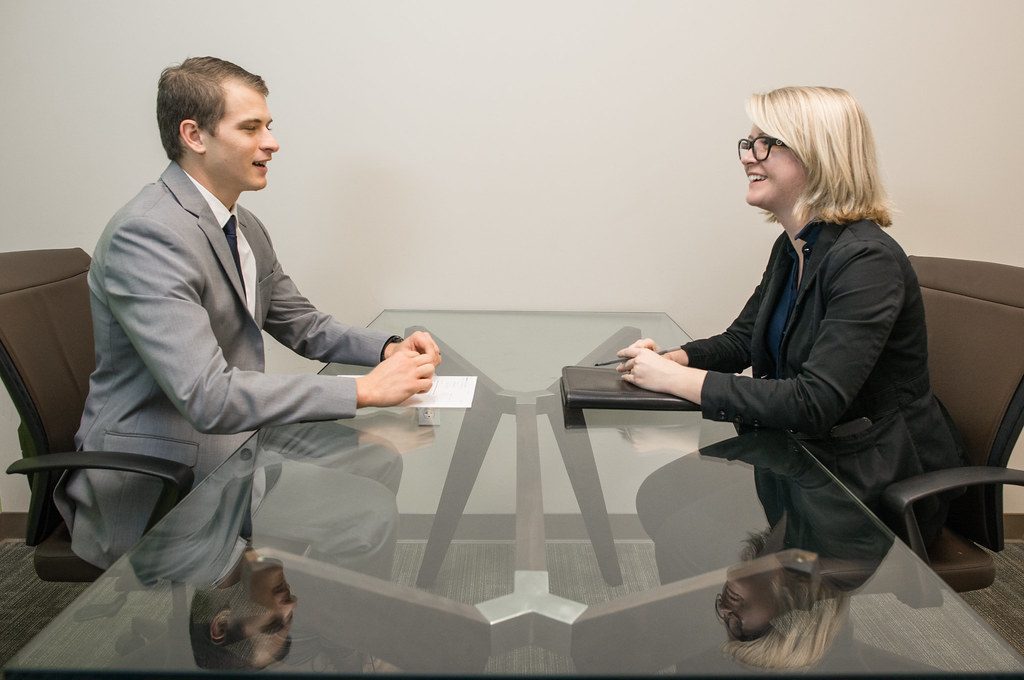
Interviews can be daunting when you don’t know what to expect. This article outlines some of the common interview formats and interviewing styles so you know what to expect during your interviews.
What can I expect during interviews?
Most companies use a specific interviewing style, which is often listed on their career website. Most interviews include some general questions about your experience, background, strengths and qualifications, and how you will fit into the role you are applying for.
Dependent on the type of interview, the interviewing style may focus on your technical skills, core-competencies or behaviours, requiring specific STAR based examples from the past, or to explain what you would do if a certain situation occurred in the future.
Interview Formats
The interview format refers to the structure and method of conducting the interview. The main interview formats are face-to-face or online video interviews via MS Teams, Zoom or similar applications.
A video interview usually replaces a face-to-face interview and includes the same type of questions. If you do not regularly use the specific online video conferencing system, it’s worth doing a trial run first to ensure there are no technical issues. The best way to approach an online video interview format is to choose somewhere quiet, ideally with a neutral background to minimise distractions, and set up your desk with the camera at eye height. Many people successfully use notes during video interviews, by toggling screens or putting prompts on a wall behind your laptop or computer screen.
Most companies have a particular interview format, which means you may be interviewed by one person at a time, or sometimes the hiring manager and HR will interview together. For instance, for an IT or engineering role managers may conduct a technical interview, whereas HR may focus more on competency or behavioural interview questions. Some companies use panel interviews where two or more interviewers ask questions to assess your skills, experience and suitability for the role. Many companies now avoid a panel interview format as it can be intimidating for candidates. Try to maintain eye contact with the person asking the questions.
Another common interview format is a telephone interview (or telephone screen), conducted by HR or the hiring manager. A telephone interview is usually used to shortlist potential candidates for interview, saving time by quickly ruling out unsuitable candidates. Telephone interviews do not usually assess which candidate is the strongest candidate. Ensure you are somewhere quiet with minimal distractions, you are unlikely to need to do much preparation, other than researching the company before the telephone interview. Questions typically focus on your knowledge and expertise relating to the role, they may involve a few general questions to ensure your career and salary aspirations are in line with the role.
You may also wish to read this blog post which outlines common interview styles including technical interviews, competency-based interviews, behavioural interviews, situational interviews, and informal interviews.
Would you like help to improve your interview skills and confidence? I offer interview skills coaching sessions which can quickly improve your interview skills and confidence. You can find further information on the interview coaching page of my website. Please contact me, and I’ll be pleased to discuss how I can plan a session to help you.