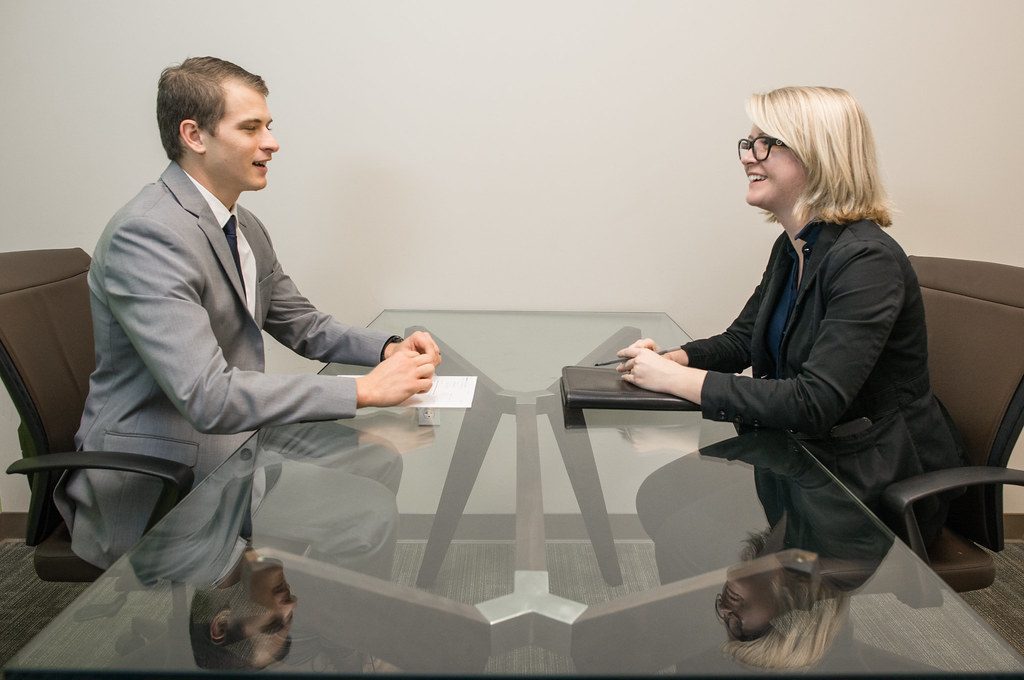
Interviews can be daunting when you don’t know what to expect. This article outlines some of the common interview formats and interviewing styles so you know what to expect during your interviews.
What can I expect during interviews?
Most companies use a specific interviewing style, which is often listed on their career website. Most interviews include some general questions about your experience, background, strengths and qualifications, and how you will fit into the role you are applying for.
Interviewing Styles
An interviewing style refers to the way in which the interviewers ask interview questions. The most common interview styles are technical, behavioural, competency-based and situational interviews. Most interviewers use an interviewing style which involves open-ended questions.
A technical interviewing style is commonly used for IT, engineering and other technical roles. The questions focus on your technical skills, knowledge and expertise. You may be asked to complete a task related to the role, for instance analysing data, or identifying a coding error. You can find out more about how to stand out in a technical interview in this article.
Competency-based interviewing styles and behavioural interviewing styles look at how you work and interact with others in certain situations. A competency-based interviewing style requires specific examples from the past, a behavioural interviewing style looks at your behaviour in situations connected to the role such as leadership, communication skills or collaboration. A behavioural interviewing style may ask for specific examples from the past, or ask what you would do in the future (also known as situational or behavioural interview questions). The main difference between the two interviewing styles is that competency-based interviews focus on the main competencies for the role (e.g. communication, teamwork, problem-solving, critical thinking). Whereas behavioural interviews focus on the behaviour you demonstrate in previous situations, which may be based on the company’s core-values, or the main competencies for the role. You can find out more about how to stand out in a competency-based interview in this article.
A situational interviewing style focuses on a real-life scenario, and usually asks you to solve a problem or describe how you would approach a task. You can find out more about situational interviews in this article
You don’t need to worry too much about which interviewing style is used. You simply need to remember: if a question asks for an example from the past, ensure this is a specific example rather than outlining what you would usually do, and use the STAR format. Any question which asks what you would do in a future situation doesn’t require a full STAR-based answer. It only requires the action because the recruiter provides the situation/task, and you can’t provide a result because the situation hasn’t happened yet!
Occasionally, a company uses an informal interviewing style, which means they do not prepare any questions in advance. The conversational / informal interviewing style means the interview is as natural as possible. Try to keep your answers professional, structured and tailored to the role to keep your answers as relevant as possible. An informal interviewing style is rarely used, as it means each candidate is asked different questions, which may confer an unfair advantage on certain candidates and encourage unconscious bias. You can find out more about informal interviews in this article.
You may also with to read this blog post about different types of interview format (face-to-face, online video interviews, and telephone interviews)
Would you like help to improve your interview skills and confidence? I offer interview skills coaching sessions which can quickly improve your interview skills and confidence. You can find further information on the interview coaching page of my website. Please contact me, and I’ll be pleased to discuss how I can plan a session to help you.
Dependent on the type of interview, the interviewing style may focus on your technical skills, core-competencies or behaviours, requiring specific STAR based examples from the past, or to explain what you would do if a certain situation occurred in the future.