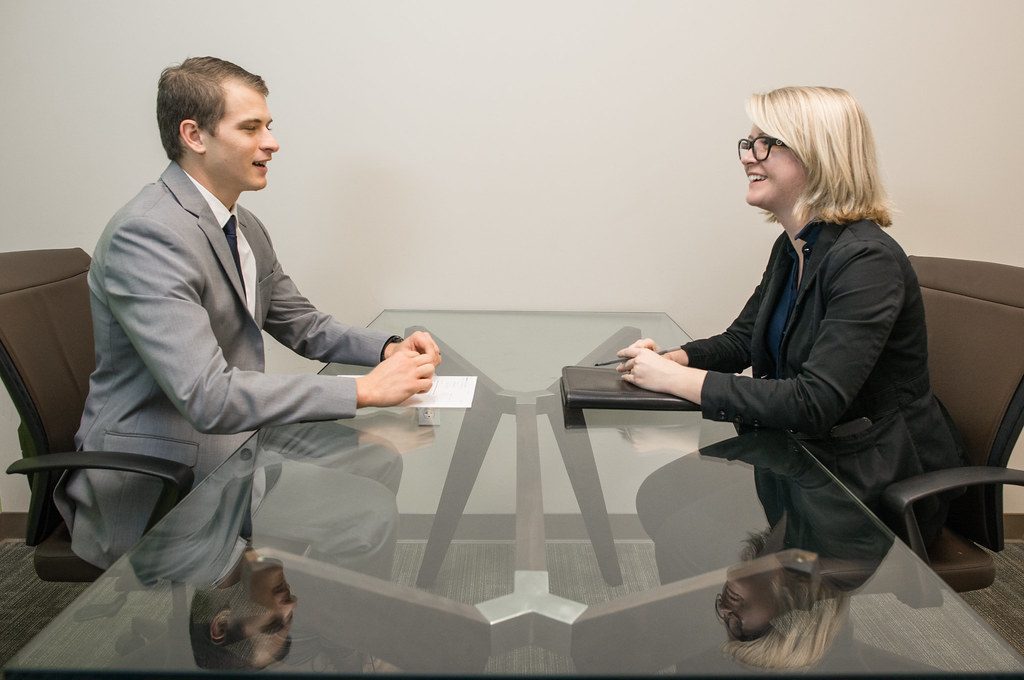
Situational interviews can look tricky as they ask what you would do in a hypothetical situation which could arise in a particular role, rather than asking you about your previous experience.
This article provides interview skills help by explaining what interviewers are looking for when they ask situational / hypothetical interview questions, the types of interview questions you can expect, and includes advice on how to answer situational interview questions.
What are situational interview questions?
During a situational interview, candidates are presented with hypothetical scenarios which could arise in the job they’re applying for. The interviewer assesses how the candidate would respond to these situations and whether they have the necessary critical thinking, decision-making, and problem-solving skills to handle challenges which are likely to arise in the role. Questions also assess key competencies like leadership, teamwork, and conflict resolution.
There are no right or wrong answers to situational questions, the interviewer is primarily interested in understanding the candidate’s thought process and decision-making approach.
Why do interviewers ask situational/ hypothetical interview questions?
Situational interview questions predict future behaviour and performance, however they are a less accurate predictor of future behaviour than competency-based questions, which ask for a specific example of how a candidate has resolved a similar situation in the past.
Situational questions are useful when an interviewer wants to understand how a candidate would face a challenge which they are unlikely to have faced before, meaning they cannot ask for examples from the past. Situational / hypothetical interview questions are particularly useful for graduates, junior professionals, as well as leadership and managerial roles where candidates Situational questions are particularly useful for graduates, junior professionals, as well as leadership and managerial roles.
Examples of situational interview questions
- “You’re working on a project with a tight deadline, and one of your team members isn’t pulling their weight. How would you handle this?”
- “Imagine you’re tasked with solving a problem you’ve never encountered before. How would you approach finding a solution?”
- “You’re managing a team, and two team members have a disagreement. How would you resolve the situation?”
- “You’re given a task that is outside your area of expertise, and there’s little time to learn. How would you approach it?”
- “You’re working on a project, and halfway through, you realize the original plan is no longer viable. What would you do?”
- “If a customer is angry and upset with your product or service, how would you handle the situation?”
- “If you were tasked with improving a process which has been used for years, but there’s resistance to change from the team, how would you encourage them to adopt a new approach?”
How to answer situational interview questions
When answering situational / hypothetical questions, listen carefully to the question, and outline what you would do or say to resolve the situation. Essentially, this means providing the Action section of a STAR based answer. You do not need to provide a full STAR based answer because the interviewer as already provided the situation, and you cannot provide a result because the situation hasn’t occurred yet.
Focus on demonstrating the key skills and behaviours which are listed in the job description, to make your answer as relevant as possible to the role. Keep your answer concise and focus on answering the question, avoid over-complicating your answer by discussing potential consequences or implications. The interviewer will ask follow-up questions if required.
Further help and advice
You may find it helpful to read some of the other blog articles for further interview skills help, including advice on improving your interview skills.
Do you need professional assistance in improving your interview skills? I provide interview skills help via interview skills coaching sessions where I can teach you how to improve your interview skills, which includes practicing likely interview questions, identifying your individual development areas and teaching you how to improve these. Please don’t hesitate to contact me