Conversational interviews (also known as informal interviews) are different from other interview styles.
This article provides interview skills help by explaining what interviewers are looking for during conversational interviews, the types of interview questions you can expect, and includes advice on how to answer conversational interview questions.
What is a conversational interview?
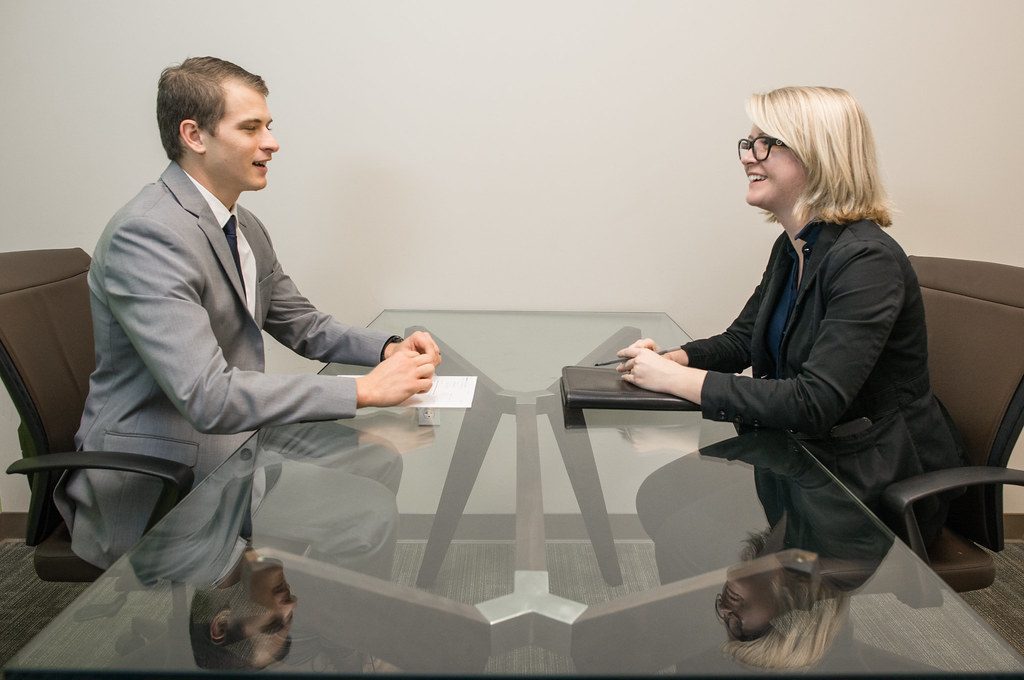
A conversational interview is an informal interviewing style which is more like chatting with a friend than a formal structured interview. In a conversational interview, the tone is more casual, with a focus on building rapport and understanding the candidate’s fit for the role and the company culture. This helps people to feel comfortable and perform at their best. Conversational interviews involve open-ended questions which flow naturally rather than sticking to a structured list of questions. Some interviewers assess key skills such as technical skills, problem-solving abilities, and communication skills, others may not plan any questions, or areas of discussion.
Conversational interviews can be used as a stand-alone interview or as part of a structured interview process.
Why are conversational interviews beneficial?
Some interviewers prefer a conversational interview style as this encourages candidates to be open and honest, as they are less likely to have prepared answers in advance. Some interviewers believe this provides a stronger insight into the candidate’s personality, approach to tasks, and soft skills such as communication skills and interpersonal skills, making it easier for them to see what it would be like to work with you, and how your personality and approach align with company culture. Many people find it easier to develop a rapport during a conversational interview.
Informal interviews are less pressured than structured interviews, which can help candidates perform better and showcase their skills.
Why are conversational interviews less common than other interview styles?
A conversational interview doesn’t usually follow a standard framework, meaning each candidate is likely to be asked questions focussing on different aspects of their background, making it difficult to compare candidates objectively. This favours candidates who are asked the most in-depth questions on their current role and skills, rather than identifying the best candidates for the role as important qualities or competencies may be overlooked
Conversational interviews have a high risk of unconscious bias, as the interviewer often hires the person they like most, which are often people with a similar background and interests, rather than hiring the person whose skills, experience and qualifications are the best match for the role. Conversational interviews favour extroverted candidates, even when an introverted candidate is a closer fit for the role.
As informal interviews focus on general topics and soft skills, they aren’t usually the best way of evaluating candidates for roles which require a highly specialist technical background.
Examples of conversational interview questions
- Tell me more about yourself
- What’s a project or accomplishment you’re really proud of, and why?
- What are your hobbies and interests outside work?
- Why have you applied for this role?
- What do you consider to be your greatest strength?
- What types of work environment do you thrive in? Why?
- What experience do you have of working as part of a team?
- If I were to ask your previous team members about you, what do you think they’d say?
How to answer conversational interview questions
During a conversational interview, strike a balance between being yourself whilst remaining professional. If the interviewer shares something about the company or team, ask follow-up questions or share stories which highlight your skills and relevant experience. Use natural language and avoid overly formal language.
Although the interviewing style is friendly, remember this is still an interview, so be careful what you share. Conversational interviews often ask about your interests outside work, so be extremely careful to avoid anything which could contribute towards unconscious bias, such as your personal life, family, religion or politics. If questions start to dwell in these areas, steer the conversation back to why you’re a good fit for the role and company.
As with any interview, stay positive and be enthusiastic when talking about your experiences, especially when discussing what excites you about the role. Prepare some questions which ask about the company culture, team dynamics, or challenges the company is facing which demonstrate you have done your research and are genuinely interested in the role.
Further help and advice
You may find it helpful to read some of the other blog articles for further interview skills help, including advice on improving your interview skills.
Do you need professional assistance in improving your interview skills? I provide interview skills help via interview skills coaching sessions where I can teach you how to improve your interview skills, which includes practicing likely interview questions, identifying your individual development areas and teaching you how to improve these. Please don’t hesitate to contact me.